
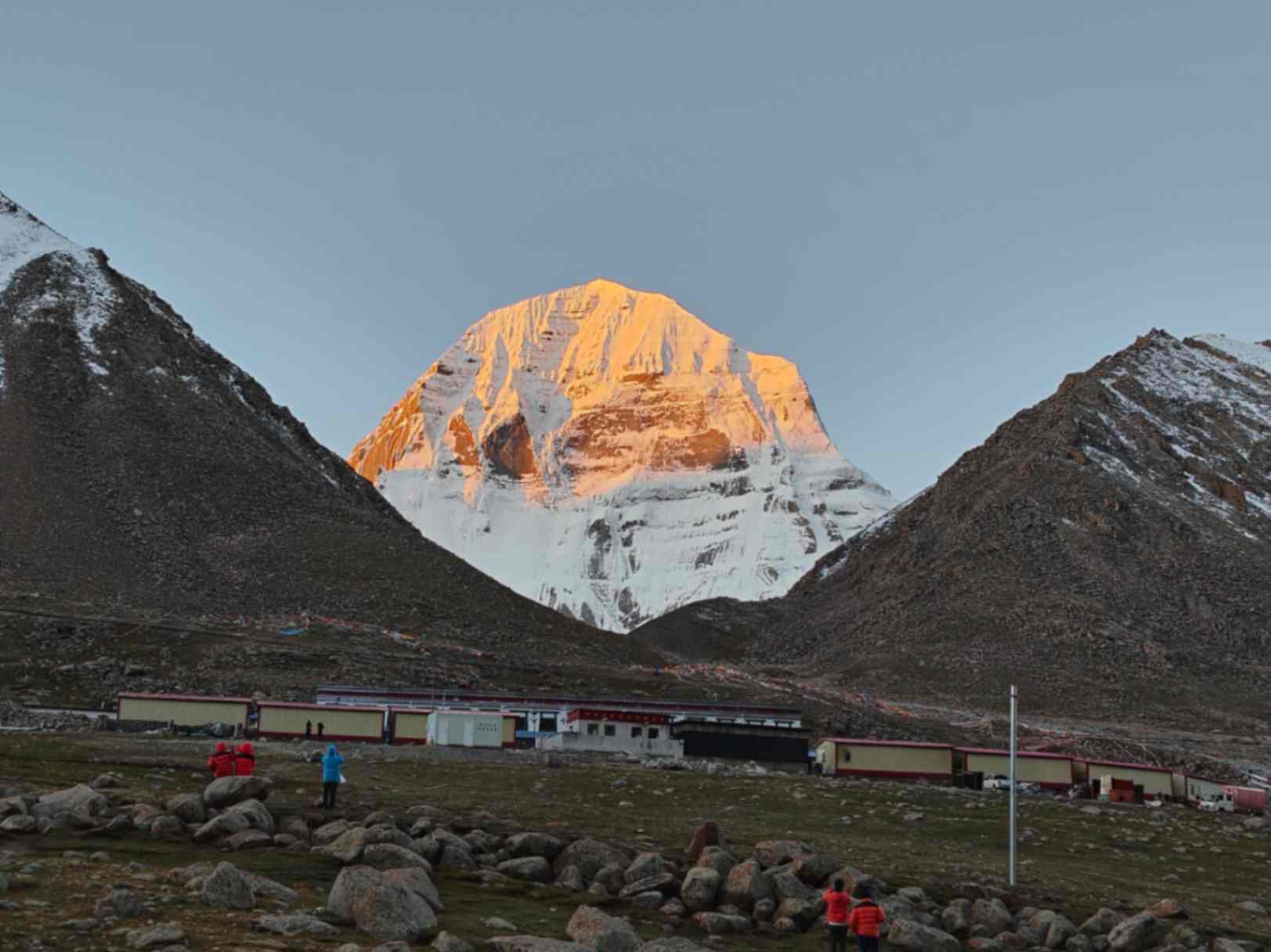
Mount Kailash is considered unclimbable primarily due to its immense spiritual significance across various religions. It’s viewed as the sacred abode of deities, and climbing it disrespects these beliefs. Local communities regard it as a pilgrimage site, emphasizing reverence over conquest. Additionally, the mountain’s harsh weather, high altitude, and rugged terrain present serious physical challenges. The journey along its sacred pilgrimage route offers transformative spiritual experiences, and there’s so much more to uncover about its significance.
The spiritual significance of Mount Kailash
Mount Kailash isn’t just a mountain; it’s a sacred symbol for millions. You might feel the spiritual energy surrounding it as you learn about its significance in Hinduism, Buddhism, Jainism, and Bon.
Pilgrims journey to its base, starting on a spiritual quest that connects them to the divine. The mountain represents the abode of Lord Shiva, inspiring devotion and reverence.
You’ll notice that many consider its peak a celestial domain, untouched and revered. This deep connection makes it a focal point for spiritual seekers, emphasizing that some places are meant to be cherished, not conquered.
That’s why it remains unclimbable.
Historical context of Mount Kailash’s untouchability
For centuries, the untouchability of Kailash has been rooted in its rich historical narratives. You’ll find that ancient texts, myths, and legends portray it as a divine abode, making it sacred to multiple religions.
People have respected these beliefs, viewing the mountain as a symbol of spiritual purity. Historical accounts emphasize its significance, suggesting that climbing it would disrespect the gods.
As you explore further, you’ll see how these stories shape the cultural mindset, reinforcing the idea that some places are meant to remain untouched. This reverence underscores the mountain’s status, making it a focal point of devotion rather than conquest.
Why climbing Mount Kailash is prohibited?
Although many adventurers yearn to conquer Mount Kailash, climbing is strictly prohibited due to its sacred status in Hinduism, Buddhism, and Jainism.
For millions, the mountain is a divine symbol, representing the abode of deities. Attempting to climb it disrespects these deeply held beliefs.
Additionally, the local communities view the mountain as a pilgrimage site, not a climbing destination. This prohibition helps preserve its spiritual significance and protects the environment from potential degradation.
Mount Kailash’s environmental and geographical challenges
Given its towering height and remote location, Mount Kailash presents significant environmental and geographical challenges that deter climbers and trekkers alike.
The harsh weather conditions, including extreme cold and unpredictable storms, can turn treks dangerous. The high altitude poses serious risks like altitude sickness, making acclimatization essential.
Additionally, the rugged terrain is often unstable, with loose rocks and steep inclines complicating any attempt to ascend. Sacred to multiple religions, the mountain’s untouched environment is also protected, reinforcing its unclimbable status.
Maneuvering these challenges isn’t just physically demanding—it requires deep respect for the mountain’s cultural significance and natural beauty.
Embarking on the sacred pilgrimage route
As you set out, you’ll feel the energy of the landscape, breathing in the crisp air and witnessing the stunning vistas. Each step you take holds deep significance for millions who revere this sacred mountain.
You’ll encounter ancient monasteries, vibrant prayer flags, and the hum of mantras in the wind. The path may challenge you physically, but the spiritual rewards are immense.
Embrace the experience, feel the connection, and let the sacredness guide you on this transformative pilgrimage.